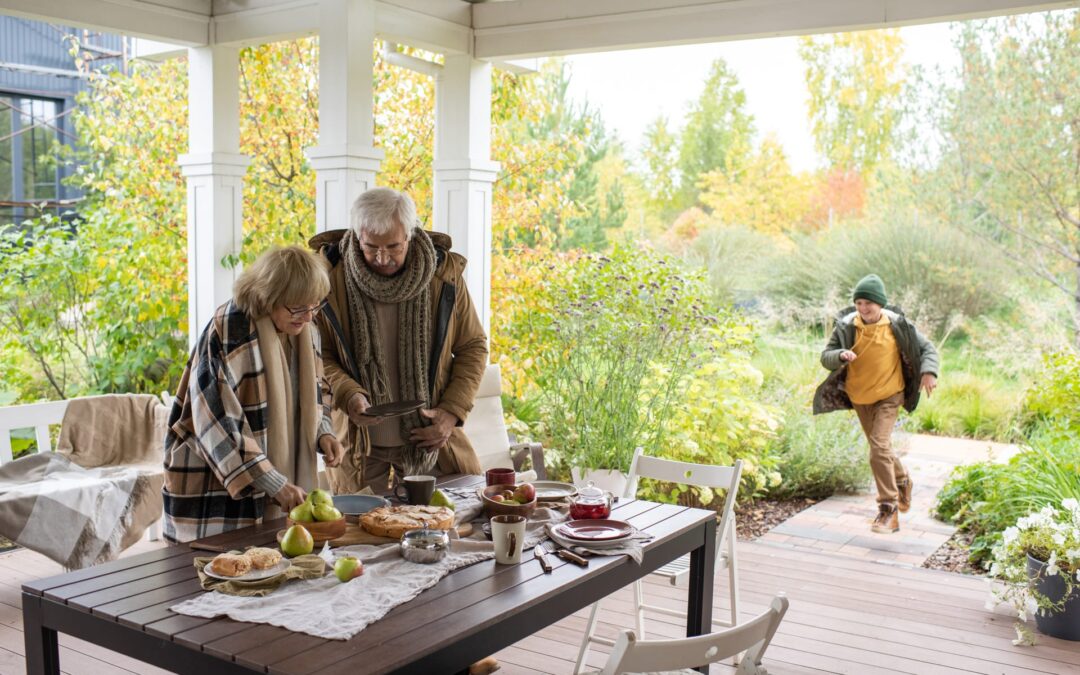
Outdoor living adds richness to everyday life, but weather has a way of changing plans. One minute skies are clear, the next there’s a downpour or an unexpected heatwave. Enclosed patio covers offer a way around that unpredictability. They provide the comfort of indoors with the openness of outdoors.
These covers extend the use of patios into every season. They make outdoor living feel reliable, giving homeowners a space that adapts to rain, wind, and sun alike.
Benefits of Enclosed Patio Covers
Adding an enclosed patio is like expanding your home without a full remodel. It functions as an extra room that can take many forms. A reading corner, a small dining setup, or even a container garden all fit inside comfortably. The National Association of Home Builders reports that outdoor living features remain among the most desired upgrades in homes across the country.
Enclosed patio covers keep spaces flexible while protecting them from the elements.
- Adds usable square footage to your home
- Supports multiple purposes like lounging, dining, or hobbies
- Enhances overall home appeal and lifestyle quality
Climate Control and Comfort
Weather extremes don’t have to limit patio use. With an enclosed cover, temperature and airflow can be adjusted to fit the season. Ceiling fans keep air moving in summer, while heaters bring warmth during winter evenings. These modifications turn a patio into a consistent retreat no matter the month.
Controlling conditions makes the space enjoyable, practical, and easier to use regularly.
- Reduces discomfort from humidity or direct sunlight
- Allows year-round use with seasonal add-ons like heaters or fans
- Improves comfort without giving up the outdoor feel
Versatility in Design and Functionality
No two homes look alike, and enclosed patio covers can reflect that. They can be tailored to match existing architecture or stand out with their own unique style. Some homeowners prefer glass enclosures with clean lines, while others choose wood and screens for a rustic look. That range of choice keeps the project adaptable to taste and budget.
The result is a space that blends naturally with the rest of the property.
- Offers design flexibility for different architectural styles
- Available in a variety of durable materials
- Customizable for both function and appearance
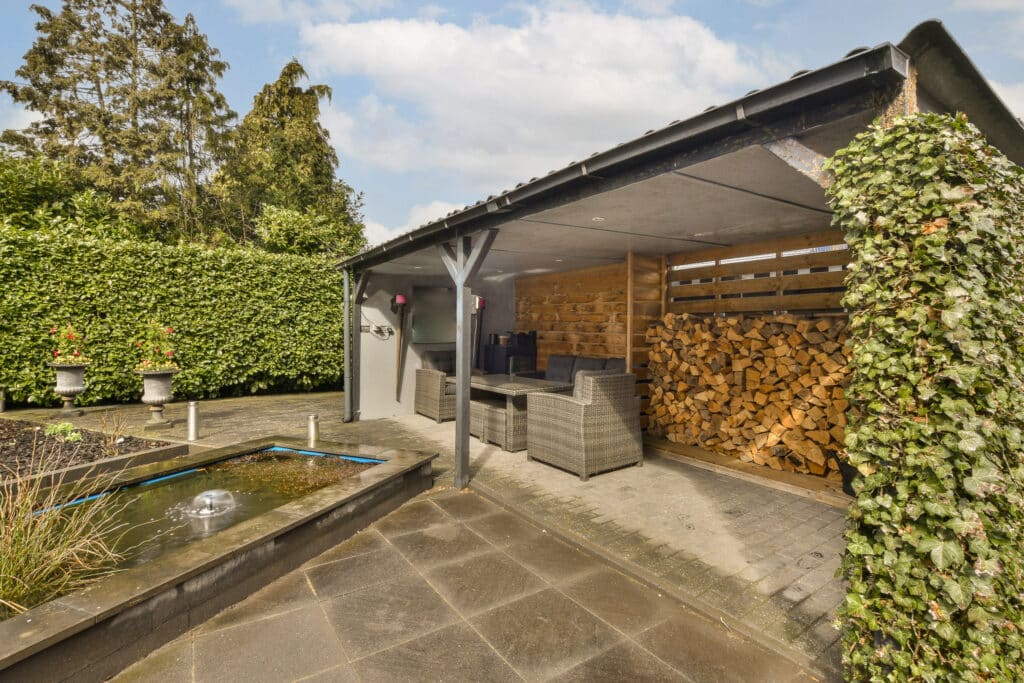
Enclosed Patio Covers for Entertainment
Hosting outdoors doesn’t have to stop when clouds roll in. An enclosed patio provides the consistency needed for parties, dinners, and family gatherings. Guests can enjoy food, games, or music without worrying about shifting weather. Some homeowners even install lighting and sound systems to make the space feel like an all-season entertainment zone.
It becomes a go-to venue that requires no backup plan.
- Creates a protected spot for hosting friends and family
- Allows events to continue without interruption from weather
- Can be outfitted with features like bars, seating, and décor
Choosing the Right Enclosed Patio Cover
Selecting the right option involves matching your goals with available designs. Some homeowners want maximum sunlight with glass, others prefer shaded privacy with opaque materials. Functionality should guide the decision—whether the space is meant for daily relaxation, dining, or large gatherings. Professional input can help narrow the options and ensure the final structure complements the house.
Making careful choices at the start saves frustration later.
- Identify whether shade or sunlight is the priority
- Think about how the space will be used most often
- Seek expert guidance to match design with home architecture
Cost Considerations and Return on Investment
Installing an enclosed patio cover requires an upfront investment, but the long-term value is clear. Beyond creating more space for the household, it often adds resale appeal. According to Remodeling Magazine’s Cost vs. Value Report, outdoor living projects tend to bring strong returns, especially when designed to blend seamlessly with the property.
The benefit is twofold: personal enjoyment now and financial return later.
- Provides daily lifestyle value for families
- Can improve market value when selling the home
- Considered a mid-range project with high usability
Expert Tips for Maintaining Enclosed Patio Covers
Like any part of a home, maintenance matters. Keeping the structure clean and free of debris prevents issues from developing. Checking seals, joints, and surfaces ensures the cover stays sturdy. Simple upkeep done regularly extends its lifespan and keeps the space inviting.
Small steps now help avoid larger repairs later.
- Clean surfaces and corners to prevent buildup
- Inspect for early signs of wear or leaks
- Repair minor damage before it spreads

Key Takeaways
Enclosed patio covers redefine outdoor living by bringing comfort and weather protection together. They create flexible, attractive spaces that work for both quiet routines and big gatherings. With smart design and upkeep, they provide value for years.
- Protects outdoor spaces from rain, wind, and sun
- Functions as an additional room for the home
- Improves comfort with climate control features
- Supports customization for style and purpose
- Offers strong return through resale and daily use
Frequently Asked Questions About Enclosed Patio Covers
Do enclosed patio covers count as interior square footage?
In most cases, no. While they don’t add to official square footage, they do increase usable living space and buyer appeal.
What materials are best for enclosed patio covers?
Glass, aluminum, vinyl, and treated wood are common. The right choice depends on budget, climate, and desired appearance.
Can enclosed patio covers be heated and cooled?
Yes. Many homeowners add fans, portable heaters, or even ductless mini-split systems to regulate temperature year-round.
Do enclosed patio covers require permits?
Most municipalities require a building permit, especially for structures attached to the home. Always check local codes before starting construction.
How much does it cost to install an enclosed patio cover?
Costs typically range from $8,000 to $25,000 depending on size, materials, and features. Complex designs with glass walls or HVAC add more.
- About the Author
- Latest Posts

Louisiana Patio Covers and Gutters has been operating in Louisiana since 2002. Through excellent service, quality craftsmanship and dedicated customer service, we have worked our way to the top to proudly serve as a premiere home improvement company specializing in patio covers and gutters.