
Gutters might not catch attention the way a new roof or deck does, but their purpose is hard to ignore. They quietly protect the foundation by steering rainwater away from the house. Without that safeguard, water pools and soil shifts begin to threaten stability. The Pew Research Center reports that 64% of homeowners rank foundation issues as a top concern, and gutters play a major role in avoiding those problems.
Rainwater left unchecked can do more than leave puddles. It sets the stage for costly damage over time, both inside and out.
The Consequences of No Gutters
Without gutters, rainfall drops directly from the roofline to the ground. That constant impact erodes soil and creates splash back, sending moisture against the base of the home. Over years, this process weakens the soil that supports the foundation. Data from the U.S. Census Bureau shows that homes without gutters face a 25% higher risk of foundation damage compared to those with proper systems in place.
The problems don’t stop at erosion. Pooling water raises the chance of leaks, mold, and uneven settling around the house.
- Soil erosion weakens structural support
- Moisture buildup encourages cracks and leaks
- Foundation shifting leads to costly repairs
Benefits of Gutters for Foundation Preservation
When gutters are installed and maintained, they act as guides for rainwater. Water is directed safely away from the foundation, keeping soil moisture consistent. The National Association of Home Builders highlights that homes with gutter systems experience fewer issues related to shifting foundations. Gutters also protect landscaping and reduce the risk of water intruding into basements or crawl spaces.
Their protection extends beyond just the base of the home—it reaches everything around it too.
- Directs water away to preserve foundation integrity
- Reduces stress on soil by preventing saturation
- Shields plants and landscaping from water damage

Factors to Consider When Choosing Gutters
Not all gutter systems are created equal. Materials range from aluminum to copper, each with unique lifespans and upkeep needs. Size and style determine how much water they can handle during storms. The U.S. Environmental Protection Agency advises factoring in local rainfall patterns and home design when making a choice. Installation quality matters as much as the product itself, so professional guidance is often worth it.
Taking time to plan ensures gutters function well and last longer.
- Material impacts durability and maintenance needs
- Proper sizing prevents overflow in heavy rain
- Professional installation secures performance
Potential Drawbacks of Gutters
While gutters protect homes, they also require upkeep. Leaves, twigs, and debris collect over time, leading to clogs if left unattended. Regular cleaning or guards can solve much of this. In cold climates, ice dams may form along roof edges, sometimes made worse by clogged gutters. The U.S. Department of Energy notes that insulation and ventilation are key to preventing ice buildup in these situations.
With consistent maintenance, most of these challenges are easily managed.
- Debris buildup can block water flow without cleaning
- Potential for ice dams in winter climates
- Requires seasonal attention to stay effective
Making the Decision: Gutters or No Gutters?
For most homeowners, gutters are well worth the investment. They act as a safeguard against one of the most expensive issues a property can face: foundation failure. While they demand some upkeep, the benefits far outweigh the effort. Homes in rainy climates especially benefit, but even dry regions face occasional storms that can create lasting problems without them.
Choosing gutters is ultimately about protecting the structure and value of a home.
- Helps prevent cracks and long-term foundation damage
- Controls moisture levels around the property
- Extends the life of landscaping and exterior features
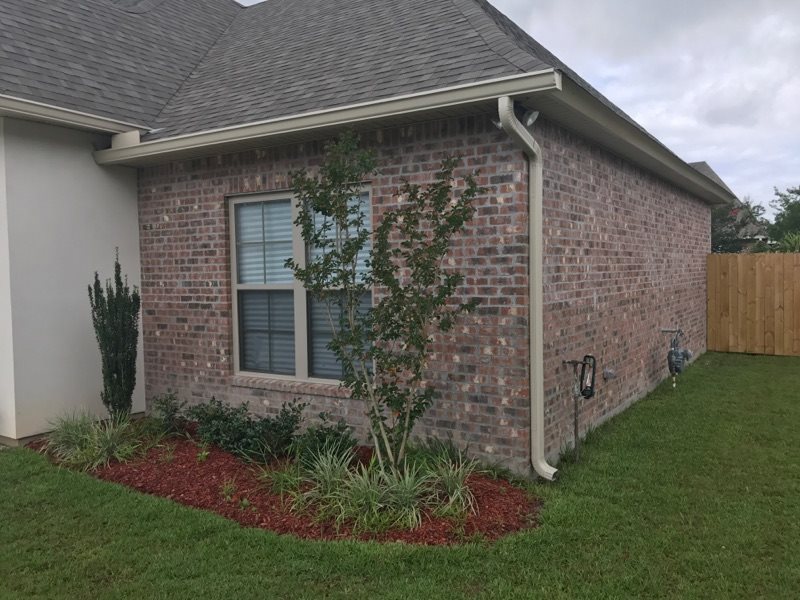
Gutters vs. No Gutters: Key Takeaways
Gutters are more than just a finishing touch—they’re part of the home’s defense system. By managing rainwater, they preserve foundations, protect landscaping, and prevent moisture from creeping inside. With thoughtful installation and regular care, they provide protection that lasts decades.
- Homes without gutters face higher risk of foundation problems
- Properly installed gutters protect soil and landscaping
- Different materials and styles suit different homes and climates
- Maintenance is required but manageable with planning
- The long-term value outweighs the upfront investment
Frequently Asked Questions About Gutters
How often should gutters be cleaned?
Most experts recommend cleaning gutters at least twice a year, usually in spring and fall. Homes with many nearby trees may need more frequent cleaning.
What gutter material lasts the longest?
Copper gutters can last up to 50 years or more with proper care. Aluminum is also popular for its durability and lower cost, lasting around 20 years.
Are gutter guards worth installing?
Gutter guards help reduce the amount of debris that enters, but they don’t eliminate cleaning entirely. They can be a worthwhile addition in areas with heavy leaf fall.
Do all homes need gutters?
While some homes on steep slopes or with wide overhangs may function without them, most benefit from gutters, especially in regions with regular rainfall.
Can clogged gutters damage a roof?
Yes. When water backs up due to clogs, it can seep under shingles, causing roof leaks and damage over time.
- About the Author
- Latest Posts

Louisiana Patio Covers and Gutters has been operating in Louisiana since 2002. Through excellent service, quality craftsmanship and dedicated customer service, we have worked our way to the top to proudly serve as a premiere home improvement company specializing in patio covers and gutters.